-
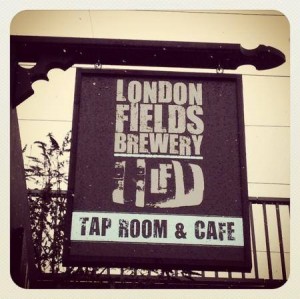
London Fields Brewery
Inspired by a drought of craft beer in Hackney – one of the most culturally vibrant areas in London – we thought it was about time Hackney had its very own brewery to provide home grown, handcrafted beers alongside the ever increasing amount of craft products being produced here. In August 2011, London Fields Brewery was born, based in the centre of Hackney, under the railway arches next to the oasis of greenery within the smoke that is London Fields itself. Now a part of a growing number of fine breweries in Hackney and London, we are proud to help spread the word of craft beer around the country and…
-
Tomlinsons Beer Shop
We are the North of Scotlands only dedicated beer shop and one of the few in Britain. No wine, No whisky just beer (and a little Cider) it’s what we know and love. Brewer Sean Tomlinson has been creating interesting, quality beers for the last twenty years or so. Firstly at our own brewery in Pontefract and currently at the Cairngorm Brewery in Aviemore (with a few stops along the way). Now on Castle Street in the center of Inverness (Heart of the Highlands) we have opened Tomlinsons Beer Shop to provide some of the best craft brewed beers from our own area (Highlands and Islands), the rest of Britain,…
-
Flute
The Flute glass (when not holding sparking wine or champaigne) likes to hold Belgian Lambics and Fruit beers. The narrow shape of the glass allows for good carbonation retention while focusing the unique aromas of these beers.Highlights: Beer color showcase. Carbonation display. Aroma focus.
-
The Craven Arms
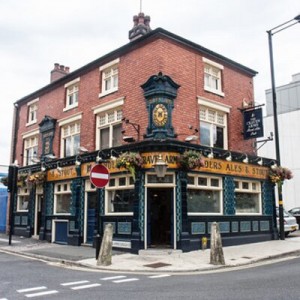
The Craven Arms is a majestic example of British pub history. Located near to The Mailbox in Birmingham city centre, its cosy fires and sensitively refurbished interior provide a refreshing change from city bars. The exterior , with its blue and gold Majolica tiling was the pride of the Holder’s Brewery which originally owned the building. Description copyright Black Country Ales (http://www.blackcountryales.co.uk/the-pubs/the-craven-arms/)
-
Ornamental Stein
Typically ceramic or porcelain, though they can be made from silver, pewter, earthenware and even wood, these glasses are the art pieces of the beer world. Coming in multiple sizes (.5L (halb) or 1L (mass) are the most common), steins can reach multilitre proportions. Steins differentiate themselves from mugs or seidels due to thier unique closure and of course their sometimes ornate designs.The closure on a stein dates back to the 14th century. It was around this time that many swarms of insects plagued Europe. So as to keep their beverages safe from these flying masses, glassware designers added (as required by some German laws), a lid with a hinge…
-
Dimpled Stein
Jug glasses, or “dimple mugs”, are shaped more like a large mug with a handle. The dimples prevent the glass slipping out of the fingers in a washing-up bowl, and the design of the glass emphasises strength, also to withstand frequent manual washing. These design features became less important when manual washing was superseded by machine washing from the 1960s onwards. Dimpled glasses are now rarer than the other types and are regarded as more traditional. This sort of glass is also known as a “Handle” or “Jug” due to the handle on the glass. They are popular with drinkers who prefer a traditional beer experience.
-
Yard of Ale
A “Yard of Ale” in the traditional sense refers to both the length of this glass and the quantity of beer held inside. These glasses have their origins in the 17th century andwhere often times associated with coachmen that wanted to have their beer handed to them without having to leave the coach (good for refills too as the glass could be handed down and the coachman didn’t have to let go of the reins).The Kwak glass is similar in appearance, but not in size. This is a taletop glass that has a stand (due to the round bottom). It is said that the glass was designed by the innkeeper and brewer Pauwel…